
The Budget Won’t Balance Itself: Can Stormont Deliver What Matters Most?
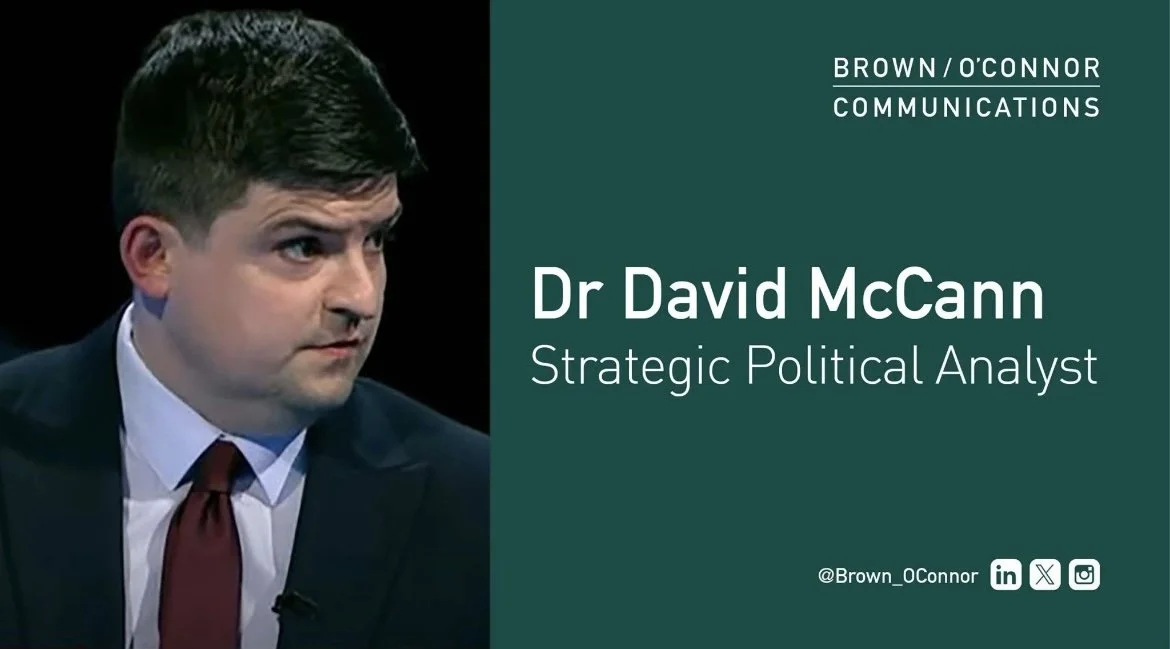
By David McCann, Strategic Political Analyst at Brown O’Connor Public Affairs
If you thought the budget madness ended with Rachel Reeves in November, think again. Northern Ireland now shifts to agreeing on a budget for the Executive. What gets decided in the next few days and weeks will set the fiscal and policy tone for the remainder of this mandate.
The focus of this year's budget round has centred around the need for a multi-year budget, and the subsequent need for stability and the certainty that can allow ministers to plan for more medium-term projects. The Executive has not agreed on a multi-year budget since 2011, and attempting to get one over the line will be politically difficult. Like the 2011-2015 budget, the context is one of difficult economic circumstances and no increase in funding from Westminster.
A Challenging Fiscal Outlook
A multi-year budget, with all its benefits, is not a silver bullet for all our local budgetary problems. Whether it is one year or three, the Executive's fiscal outlook will be challenging over the next few years. Ministers are overspending in their departments, the costs of delivering government are rising, and to cap it all off, our MLAs are just over 500 days away from heading back to the polls to ask for support from an economically bruised electorate.
In addition, many of the flagship policies the Executive wishes to advance during this mandate are very costly. The draft Childcare Strategy signed off this week is estimated to cost £500 million if implemented. This poses the pertinent question: where are we getting the funding to deliver on priorities such as childcare and the many others identified since February 2024?
Reshaping our Local Fiscal Position
We often hear about the need for politicians to take “difficult decisions” and use our limited resources wisely. As we go into 2026, the Executive needs to show that, alongside whatever budget it produces, it makes a credible start at reshaping our local fiscal position. This near constant cycle of budgetary problems and crises hurts confidence in government and raises questions about whether devolution can resolve major issues.
A budget is a chance to set out a direction of travel, about where we are going and how we will get there. Ministers need to be honest about the challenges we face, but also put in place the plans to tackle them head-on. Ahead of the election, revenue-raising will be politically difficult. Still, it is one we need to start considering in a careful way that goes beyond focusing on prescription charges and bus passes. If we want to make a credible case for greater fiscal powers, then we need to demonstrate that we can use the ones we already have first.
Making Uncomfortable Choices
The budget matters, but more importantly, how we use the resources we have available to maximum effect requires a lot of our focus. Tackling inefficiencies and waste is even more critical when budgets are so tight. Equally as important, what we are spending public money on needs to be aligned with the core priorities that all the Executive parties have agreed to.
As we start this process, our ministers should ask themselves: does the budget being presented align with our overall Programme for Government goals that we collectively agreed on at the start of 2025? There is an opportunity with a budget to refocus on “delivering what matters most.” Every minister has to play their part and make uncomfortable choices. This budget won’t balance itself, and we cannot expect Hilary Benn’s cavalry to arrive if we don’t.