
Commissioner shares consultation findings on health needs of survivors of historical institutional child abuse with Committee for the Executive Office
64% of victims and survivors say their physical health has been affected long‑term by their experiences in an institution with a similar number (68%) saying their mental health is poor or very poor.
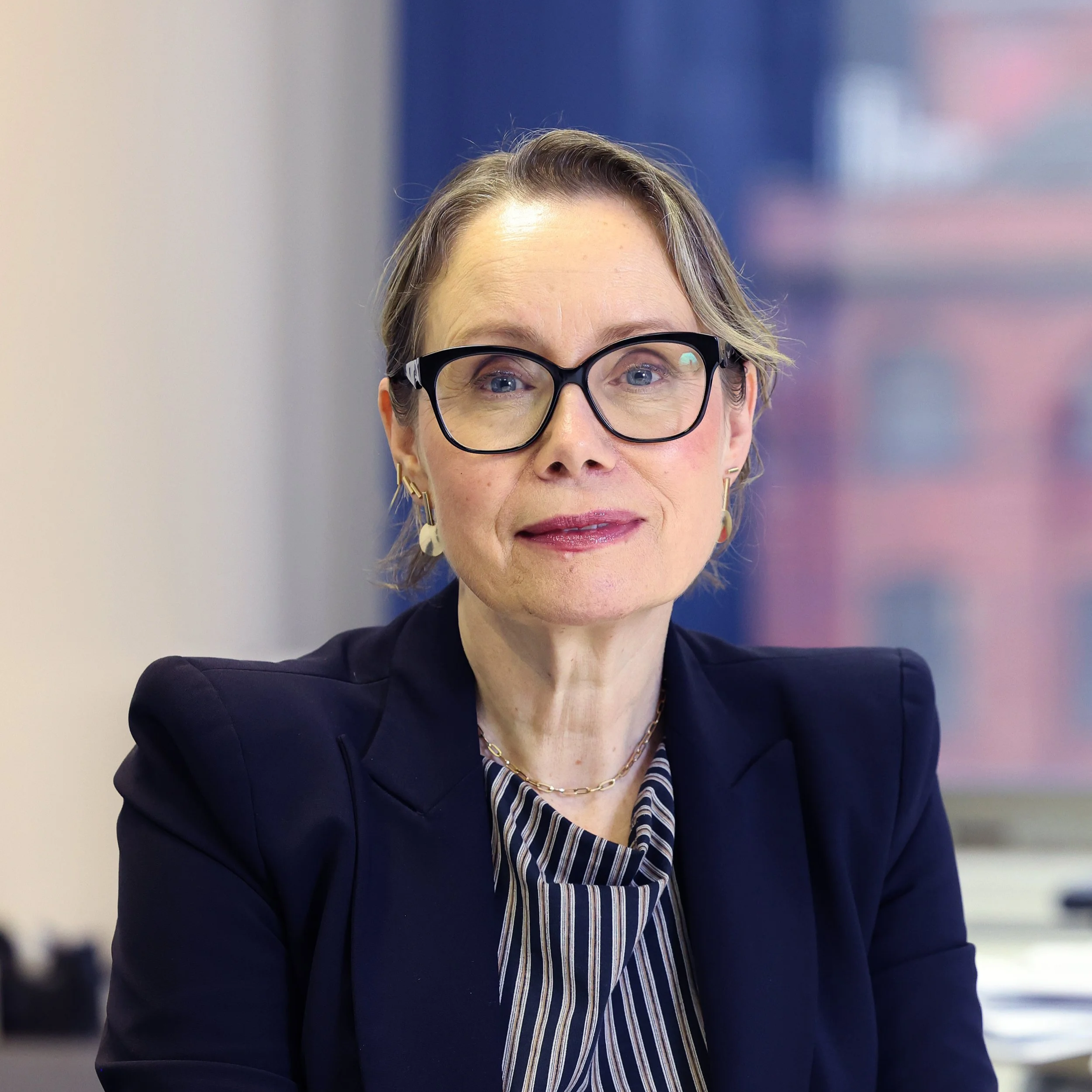
Today, the Commissioner for Survivors of Institutional Childhood Abuse, Fiona Ryan, provided evidence to the Committee for the Executive Office, outlining the ongoing work of her Office to support victims and survivors of non-recent/historical institutional child abuse. She also set out the further steps required to ensure their needs continue to be recognised and addressed in the years ahead.
In her remarks to Committee, Commissioner Ryan discussed her Office’s Consultation on Supports and Services to Victims and Survivors of Non‑Recent/Historical Institutional Child Abuse.
The consultation, which was carried out by her Office, with secondary analysis provided by STRIDE at Queen’s University Belfast, examines both current and future support needs of victims and survivors, drawing directly on their lived experiences to understand what services they use, the challenges they face and how their needs are expected to evolve over time. 126 victims and survivors responded to the consultation.
Commissioner Ryan emphasised to the Committee that vital supports and services for those abused as children in institutions must be safeguarded, noting that demand for these services is expected to grow as victims and survivors age and as the long‑term impacts of their experiences become more pronounced.
Since it opened in December 2020, the Commissioner’s Office has engaged with nearly 1,300 victims and survivors of non-recent/historical child abuse and dealt with over 1,700 cases.
Key Findings
60% of participants reported living with long-term chronic physical health conditions including COPD, heart conditions, diabetes and cancer, with strong reliance on and significant engagement with public services.
Mental health needs were significant with only 7% of participants saying their mental health was good or very good. 68% said they had poor or very poor mental health.
Other key findings include:
· Physical health: 61% said that their physical health was poor or very poor.
· Mental health: 30% said they were not able to access the support that they need for their mental wellbeing.
· 90% expressed discomfort seeking medical help due to their experiences of child abuse.
· 53% of participants told us they relied on GPs as their main source of healthcare for a range of physical and mental health reasons.
· 34% reported facing housing difficulties including homelessness or housing-related stress and insecurity.
· Future care needs: 71% said they have concerns about their wellbeing in any future residential care.
· Relationships: 83% felt that their childhood experience had impacted their family relations.
Commissioner Fiona Ryan said:
“I want to thank victims and survivors who took the time to share their experiences and views in our consultation. Their insights have been invaluable in helping us to better understand their lived experience of supports and services and what they need going forward.
I was pleased to have the opportunity to share the findings of this research consultation with members of the Committee for the Executive Office today.
We know that victims and survivors are aging and that the health risks associated with growing older are now intersecting with pre-existing health issues linked to childhood trauma from the abuse they suffered in institutions.
One of the clearest messages to emerge is the central role that a spectrum of supports and services play in the lives of victims and survivors - from specialist provision to general health services and community or family‑based supports.
The views shared through this consultation, and the experiences victims and survivors described of living with the long‑term effects of childhood trauma from abuse, highlight how essential it is that access to trauma‑informed supports and services is sustained throughout their lives.
As survivors grow older and their health needs change, continued, timely access to these supports and services throughout the lifetime of survivors remains critical to supporting their wellbeing.”
The Commissioner has made a series of recommendations based on the valuable insights provided by victims and survivors.
These include:
· Working with existing good practice to embed a systemic, trauma-informed approach across all statutory and voluntary services engaging with victims and survivors.
· Ensuring all services including specialist services provided by the Victims and Survivors Service (VSS) and its community partners remain accessible and available through the lifetime of victims and survivors.
· Encouraging ongoing development of a trauma-informed approach in care homes for older people, with services and care pathways that are respectful, transparent and rights-based.
· Developing specific outreach and awareness initiatives focusing on Northern Ireland victims and survivors living elsewhere to increase their awareness of their entitlements to supports and services.
· Commissioning further research into child abuse in Northern Ireland to understand scale, impact and inform appropriate service provision and transgenerational trauma.
The Commissioner added:
“Northern Ireland has already made progress in embedding a trauma-informed approach into the delivery of supports and services.
Our report and recommendations are intended to build upon the strong, trauma-informed foundations already in practice in Northern Ireland and identify areas where we could take forward practical measures that are responsive to the lifelong impact of historical child abuse.”
Victims and survivors can contact the Commissioner for Survivors of Institutional Childhood Abuse on 028 9054 4985 or email info@cosica-ni.org for information on how to access supports and services.
The full consultation report is available at https://www.cosica-ni.org/consultation-supports-and-services-victims-and-survivors