
Skills at the core: Building the next generation workplace
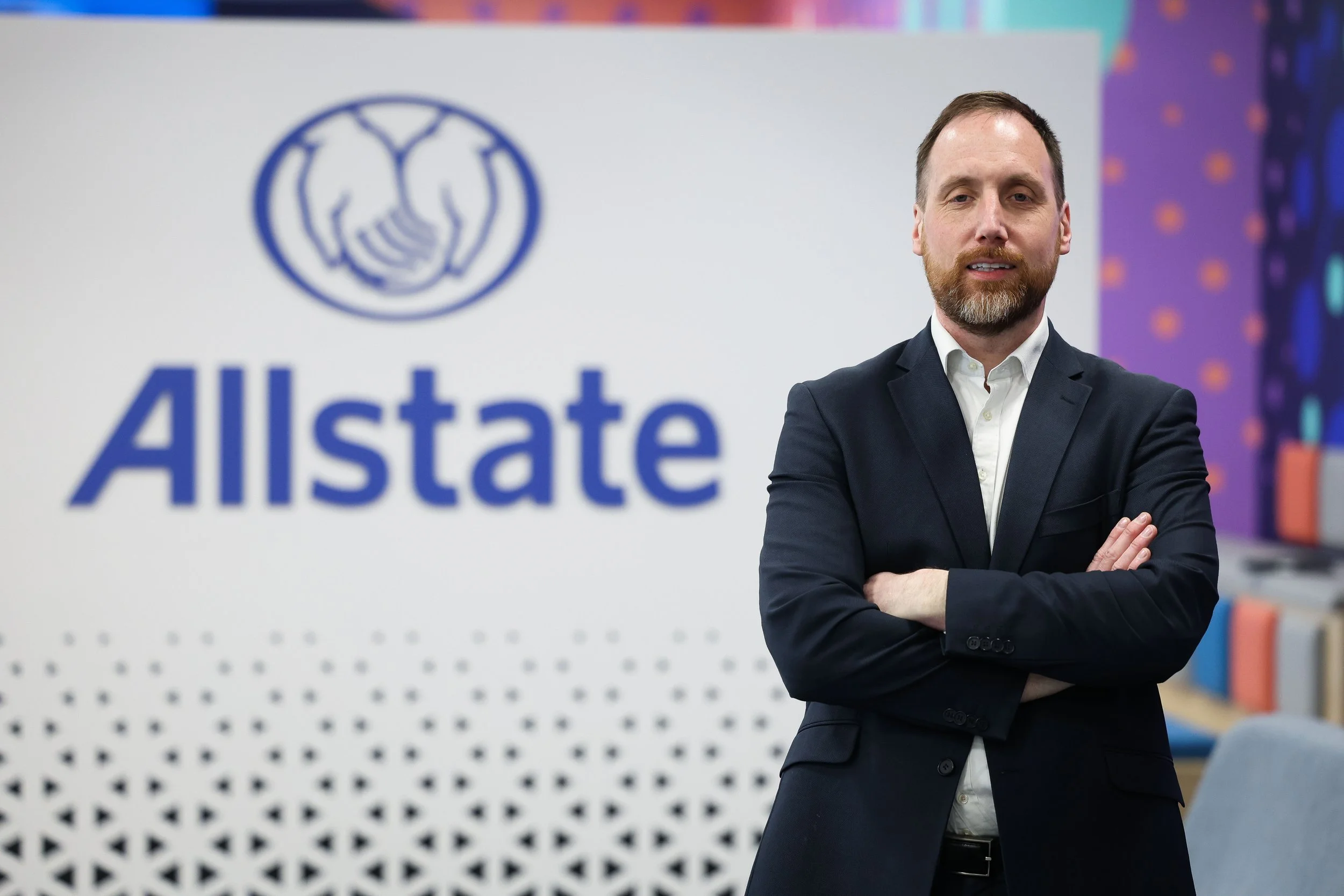
By Stephen McKeown, Global Vice President and Managing Director, Allstate NI
The great age of assembling huge internal or outsourced software teams is fading. Technology now changes too swiftly for scale alone to guarantee success. Competitive advantage lies instead in cultivating rare skills, nurturing adaptability and equipping people with the tools to do their best work and deliver meaningful outcomes. Companies that recognise this shift and invest in both human capability and modern technology will set the pace for the next decade.
Creating a culture where skills and growth matter more than headcount is not accidental. It requires intention, insight and persistence. Traditional models that prized constant external hiring are giving way to an inward focus. Recruitment functions are being reimagined as talent agents for existing employees, helping them discover new paths and develop expertise that meets emerging needs.
This mindset transforms how people view their work. When organisations signal that skills development and career exploration are valued, employees respond with energy and loyalty. Internal mobility rises, engagement strengthens and turnover falls. Colleagues begin to see their roles as part of a larger journey rather than a series of isolated tasks. Hidden talents emerge when people feel trusted to explore.
Adaptability becomes a collective asset. As automation, digital platforms and shifting customer expectations reshape roles, teams that have been encouraged to learn and stretch can pivot quickly. The workforce becomes a living network of skills, ready to redeploy itself where it can create the greatest value. Individuals with frontline experience can apply their insights in design or strategy, while those from specialist technical backgrounds may branch into leadership.
Flexibility in where and how work happens reinforces this culture. Productivity and creativity thrive when individuals can manage their own environment. Leading employers gather data, listen to employees and design hybrid arrangements that suit the work rather than issuing blanket edicts. Trust replaces surveillance. Flexible practices help people balance personal commitments with professional ambitions.
Investment in the right tools amplifies these human strengths. Modern collaboration platforms, automation that removes repetitive tasks, and thoughtfully designed physical spaces enable smaller, skilled teams to achieve what once required armies of coders. Digital tools also open doors to continuous learning.
For leaders, the challenge is to live these principles, not merely state them. Recognition must be authentic and timely. Career pathways should be transparent, and barriers to progression must be dismantled. Managers need to model curiosity and a willingness to learn, signalling that growth is everyone’s responsibility.
The era of big static engineering teams has given way to something more powerful: focused groups of skilled professionals, supported by cutting-edge tools and united by a culture of trust and growth.
Companies that embrace this reality will not simply endure change; they will turn it into advantage, proving that the most valuable asset is not the size of the workforce but the capabilities it continues to build.