
Sinn Féin Ard Fheis 2026: Context, Challenges and What to Expect
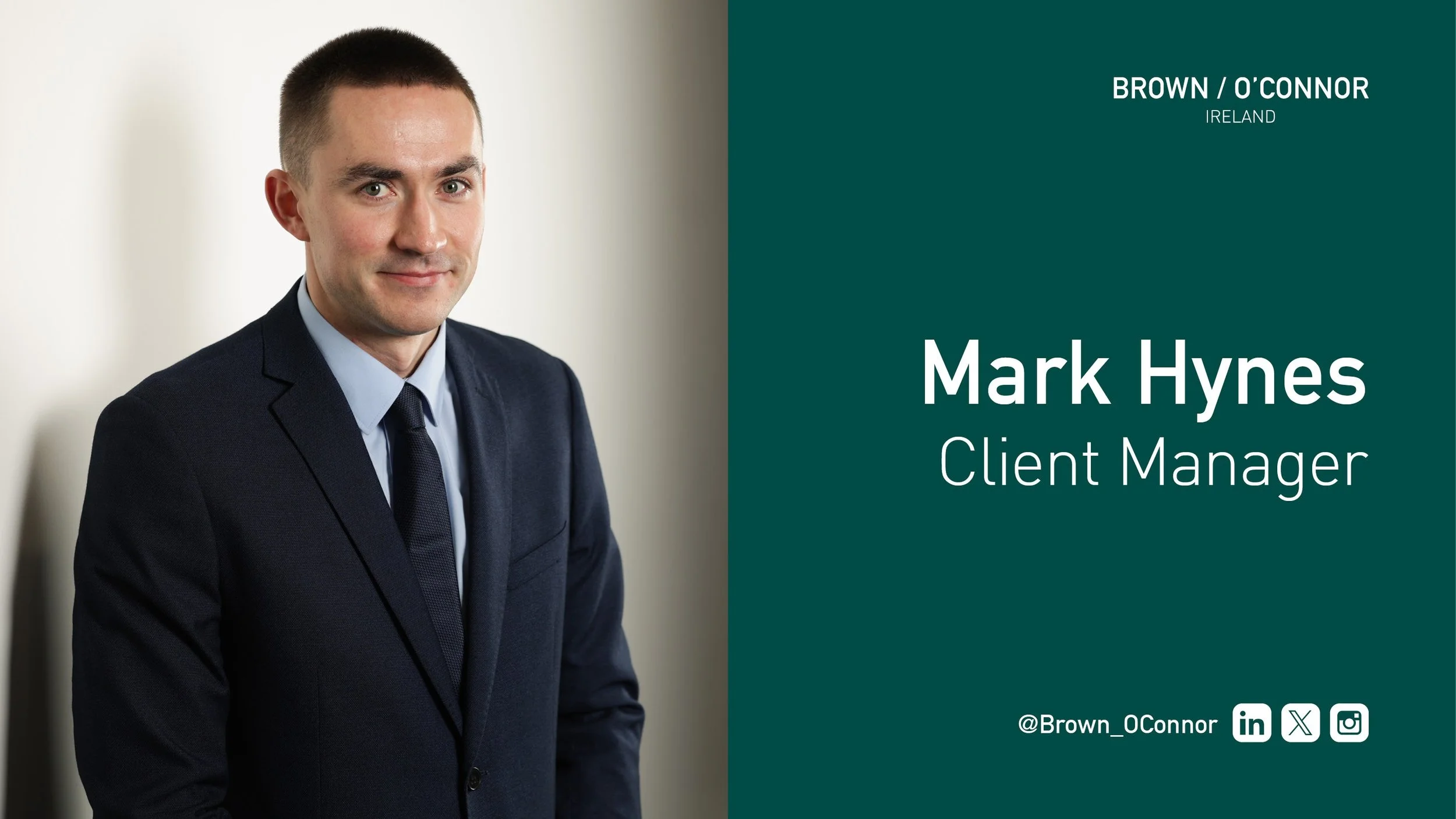
Mark Hynes, Client Manager, Brown O’Connor | Ireland
As Sinn Féin prepares to gather in ICC Belfast this weekend (April 24–25), the party does so from a position of historic strength, but also against a backdrop of evolving political pressures both north and south of the border.
Sinn Féin remains the largest party in the Northern Ireland Assembly, securing 27 MLAs in the landmark 2022 election. That result led to Michelle O’Neill becoming Northern Ireland’s first nationalist First Minister, a historic moment in the state’s history. However, that milestone was followed by a prolonged political impasse, with the Assembly not returning until February 2024.
Since restoration, Sinn Féin has continued to consolidate its electoral position. The party retained all seven of its Westminster seats in the July 2024 general election, signalling continued voter backing for its approach in government.
However, the political landscape has shifted somewhat in the intervening period. Recent LucidTalk polling places Sinn Féin on 24% support, down from approximately 31% at the point of Executive formation, marking its lowest level in five years. While still ahead of its competitors, the figures suggest a softening in momentum. It is worth noting that polling represents a snapshot in time rather than a definitive forecast.
In the Republic of Ireland, Sinn Féin remains a central political force following the 2024 General Election, securing 39 seats in the Dáil, up two from the previous mandate. While Fianna Fáil emerged as the largest party and moved towards government formation, Sinn Féin continues to position itself strongly on core issues such as housing, healthcare and the cost of living.
This year’s Ard Fheis also carries added significance following the cancellation of the 2025 conference, with the party citing logistical and strategic considerations, including venue availability and timing within the wider political calendar. The move to a spring event is intended to maximise visibility and media coverage.
Agenda and Key Speakers
Proceedings will begin on Friday evening with an opening address from John Finucane MP, followed by keynote contributions from Michelle O’Neill MLA and Pearse Doherty TD. The conference will conclude on Saturday evening with a presidential address from Mary Lou McDonald TD.
Friday’s programme will also include sessions focused on housing delivery and rural communities, alongside activism-focused discussions and fringe events, including workshops and cultural events.
The agenda will focus heavily on delivery in government, particularly around housing supply, healthcare reform and cost-of-living pressures, all of which remain key voter concerns across both jurisdictions. Discussions on Irish unity are also likely to feature prominently, reflecting Sinn Féin’s continued emphasis on constitutional change within the framework of the Good Friday Agreement.
Alongside this, there will be a focus on public service investment, regional development and climate policy, as well as the party’s positioning on wider international issues in the context of evolving global geopolitical developments.
Saturday’s programme is expected to centre on public services, health reform and economic pressures, as well as sessions on Irish unity, international solidarity and Ireland’s role globally, before concluding with the closing address.
Fringe events and workshops will also address topics such as youth engagement, human rights, and the role of national liberation politics.
Looking Ahead
The Ard Fheis comes at a strategically important moment. With Assembly and council elections scheduled for May 2027, Sinn Féin will be aiming to maintain its position while also seeking further gains.
At the same time, there are emerging competitive dynamics within nationalist politics. The SDLP’s improved polling and Claire Hanna MP’s personal popularity point to potential challenges in some key constituencies. While Sinn Féin retains a strong organisational base and electoral machinery, maintaining momentum will be a key objective.
In the Republic of Ireland, the party remains the most popular at 24%, ahead of Fianna Fáil and Fine Gael, although support has softened in a more fragmented political landscape, according to a recent Irish Times poll in February. A broader field of smaller parties and independents is contributing to a more competitive environment for voter support.
Conclusion
While recent polling suggests some softening in support, Sinn Féin remains the clear frontrunner in Northern Ireland. The party continues to hold a strong position both north and south of the border, reflecting its status as an established all-island political force. Much of the recent movement appears linked to perceptions of performance in government, which can shift over time. Against that backdrop, this weekend’s Ard Fheis offers Sinn Féin an opportunity to set out its priorities and build momentum ahead of the next elections.